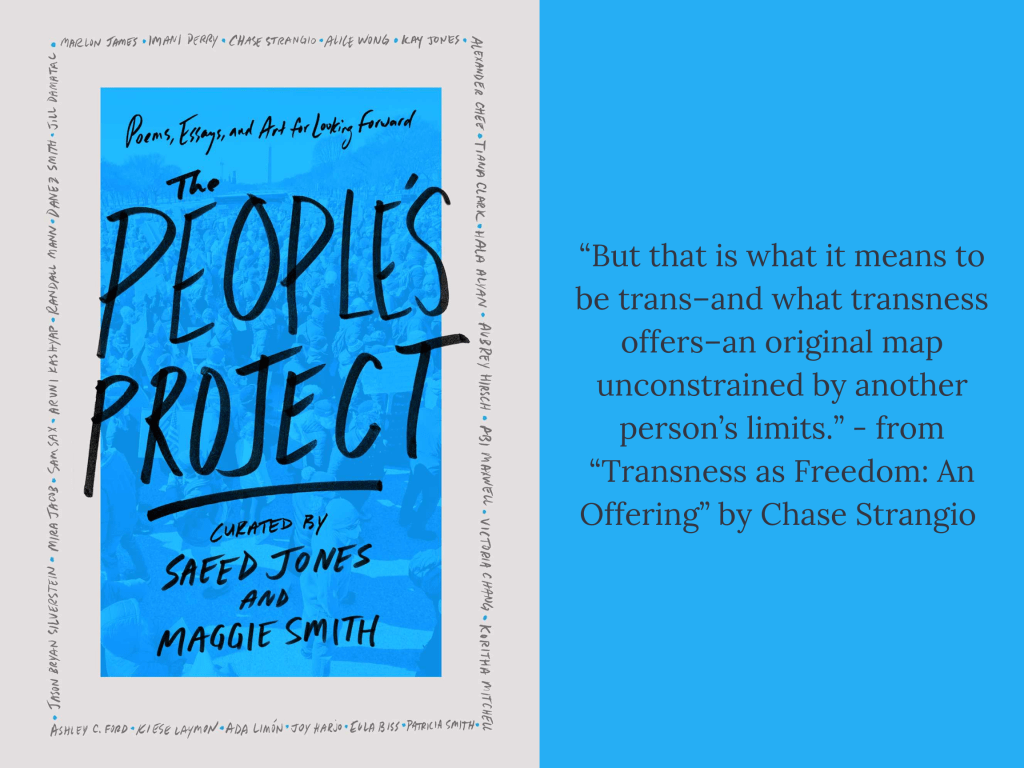
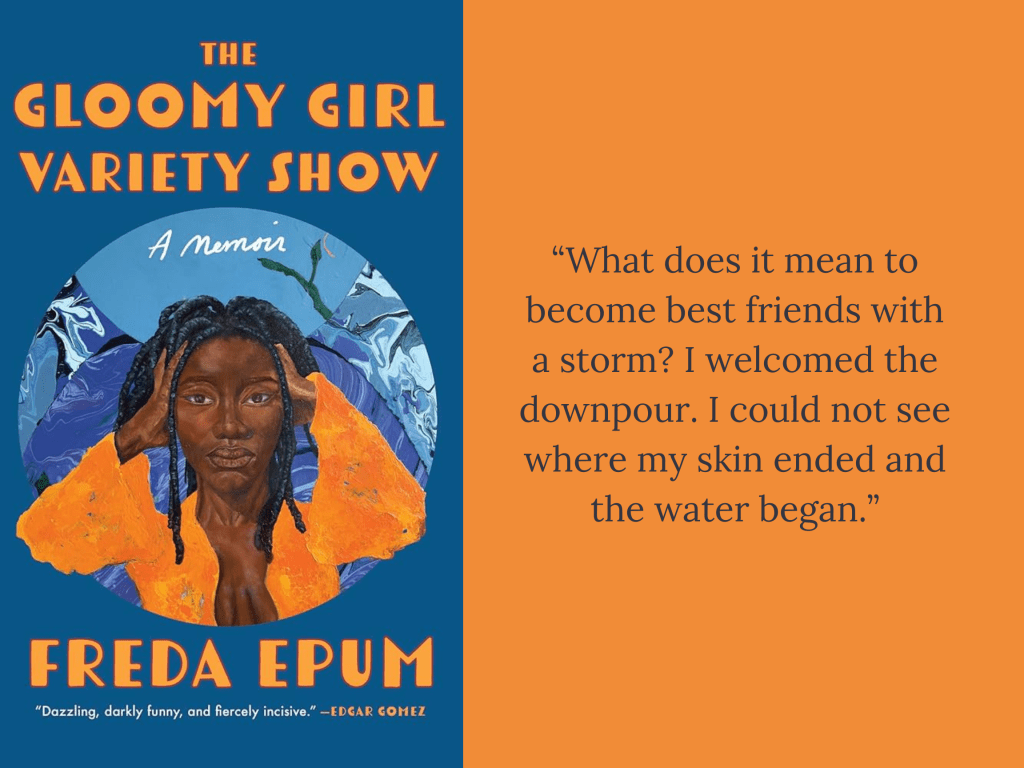
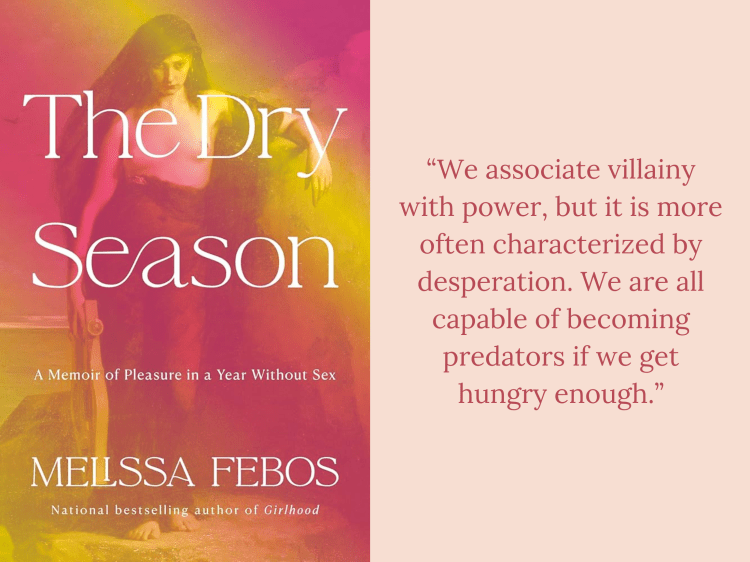
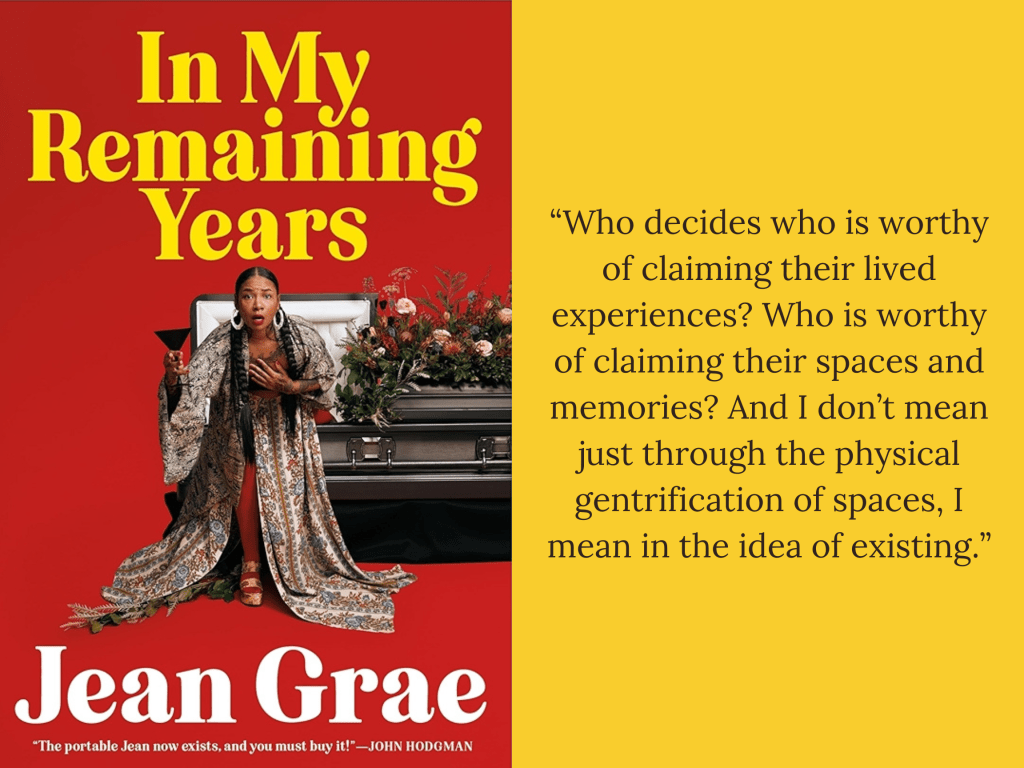
My 2024 in Books

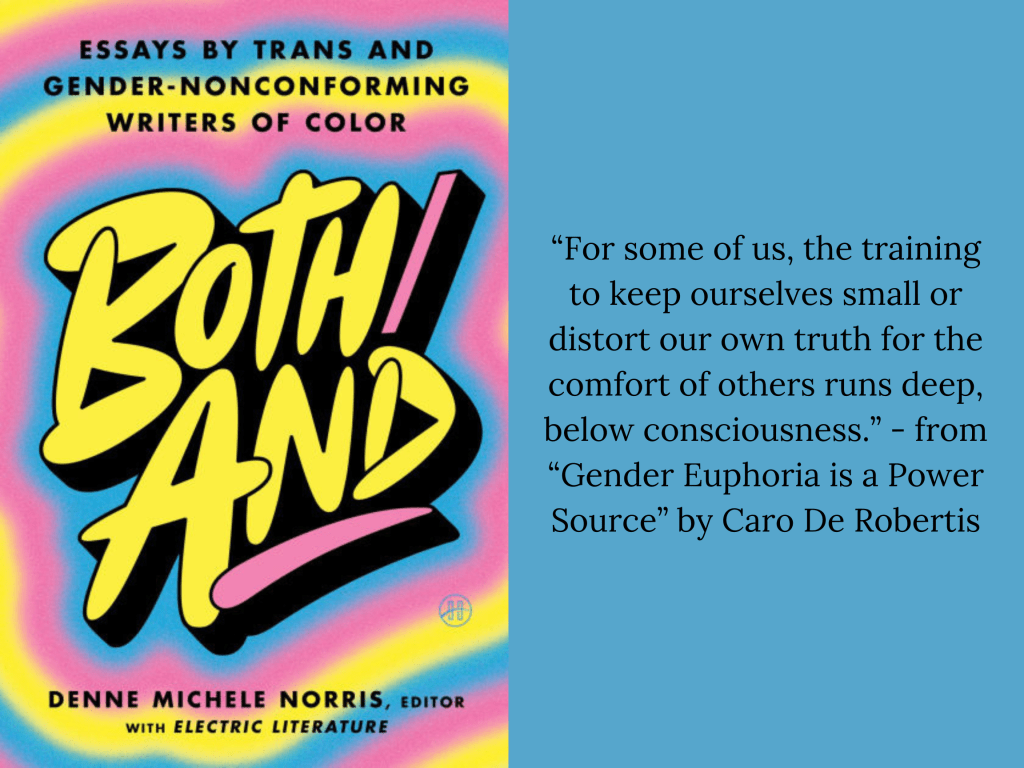
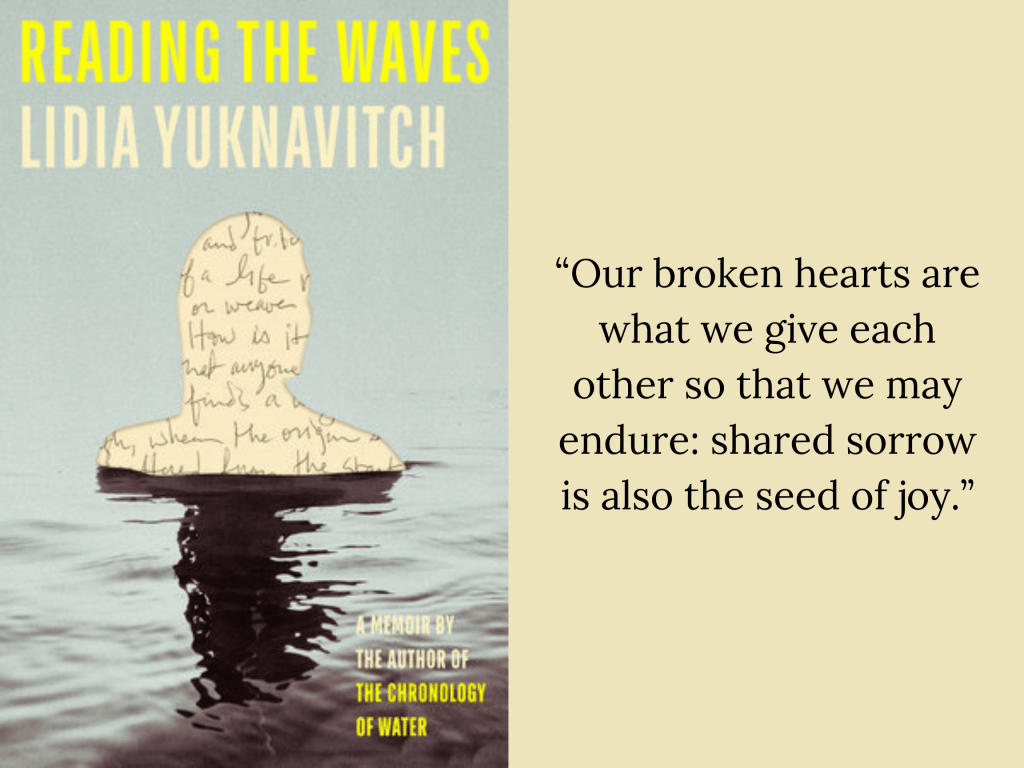
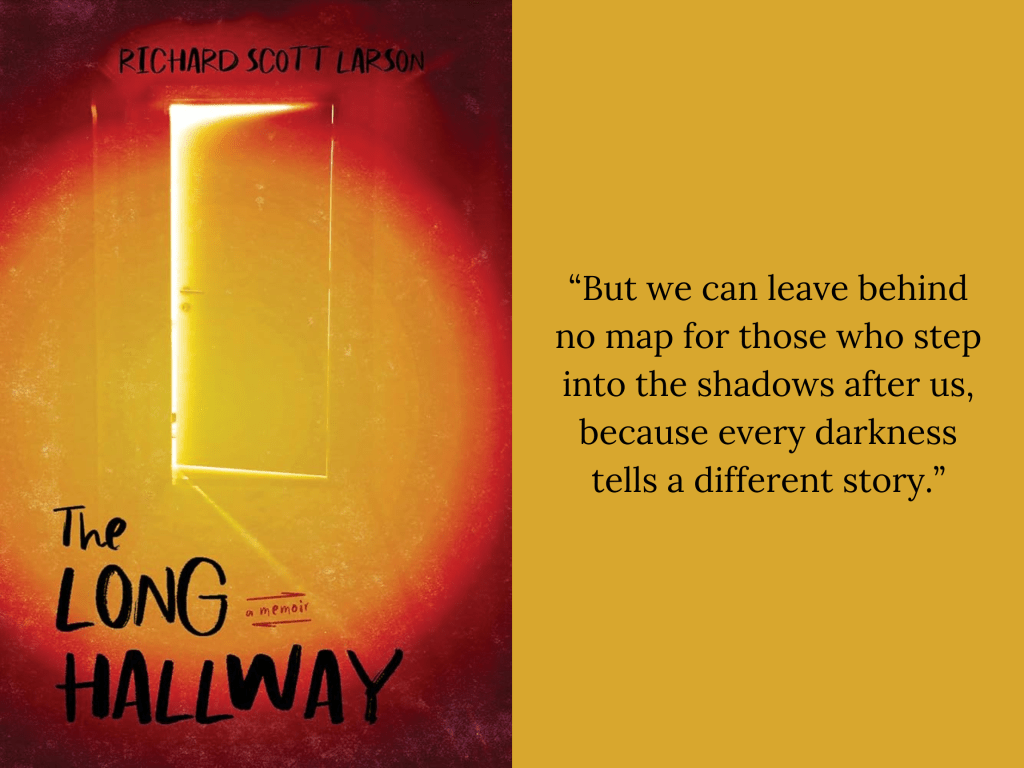
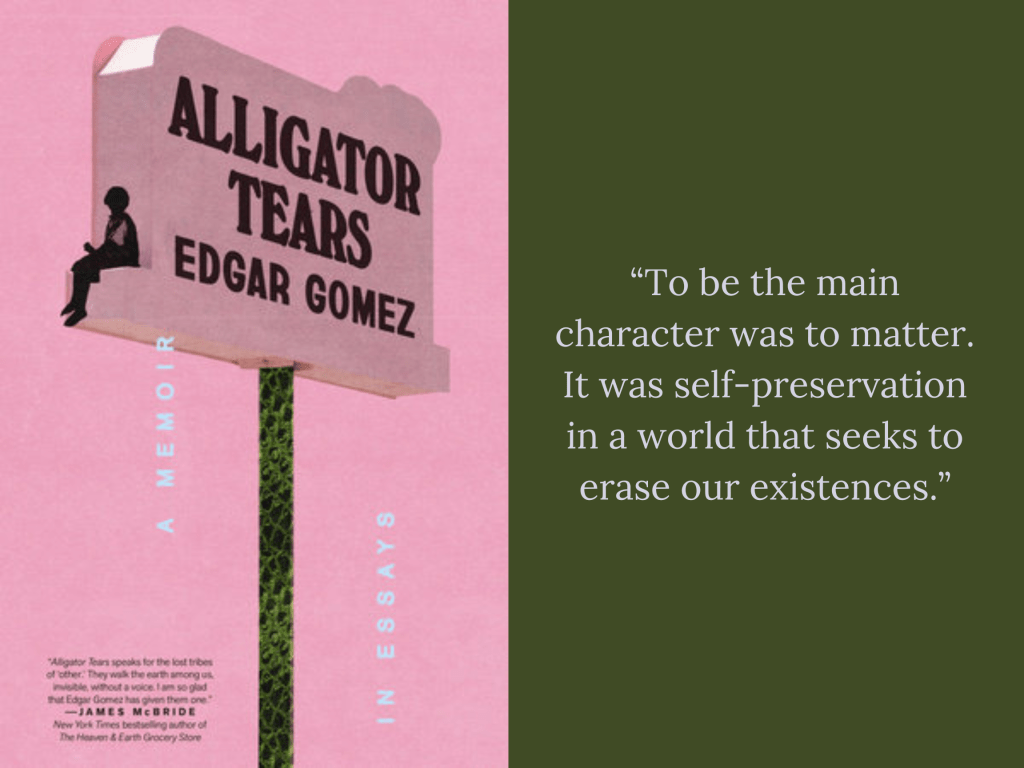
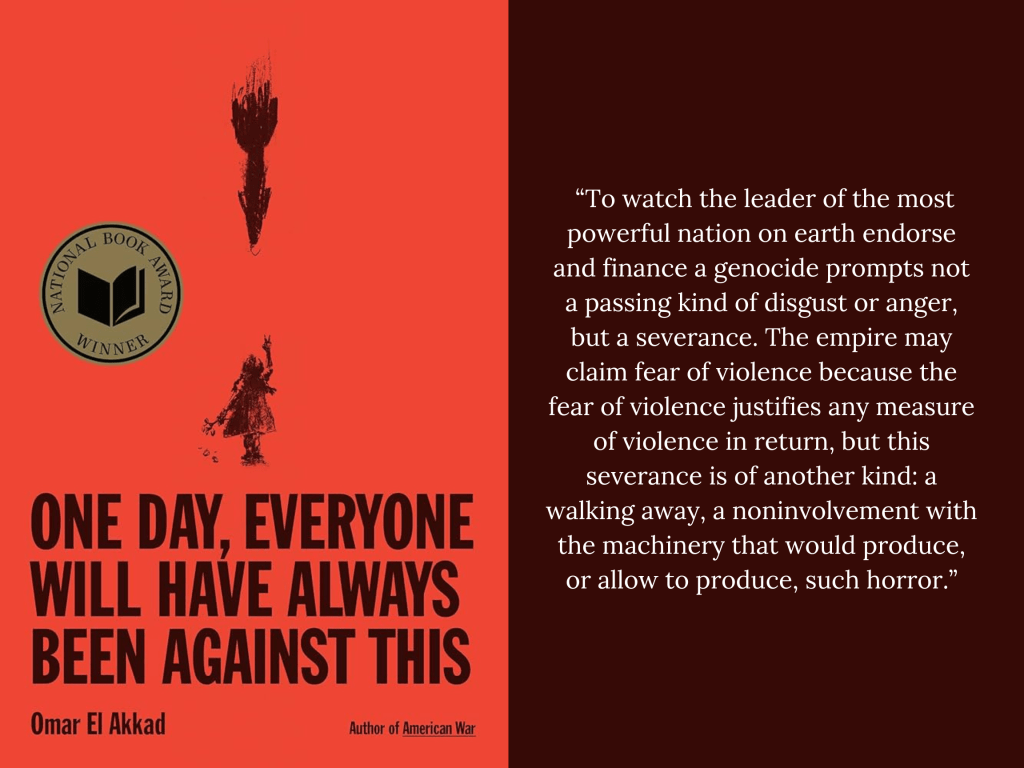
Switching it up (just slightly) to bring you my 9 favorite memoirs I read in 2024 in no particular order cause wow, they were all so good. Plus a bonus of my 3 favorite works of fiction I read this year. As usual, each book is accompanied by my favorite line from it. Re-visiting these words this New Year’s Eve has been a gift. Cheers to another year of reading and writing!

Cactus Country: A Boyhood Memoir by Zoë Bossiere

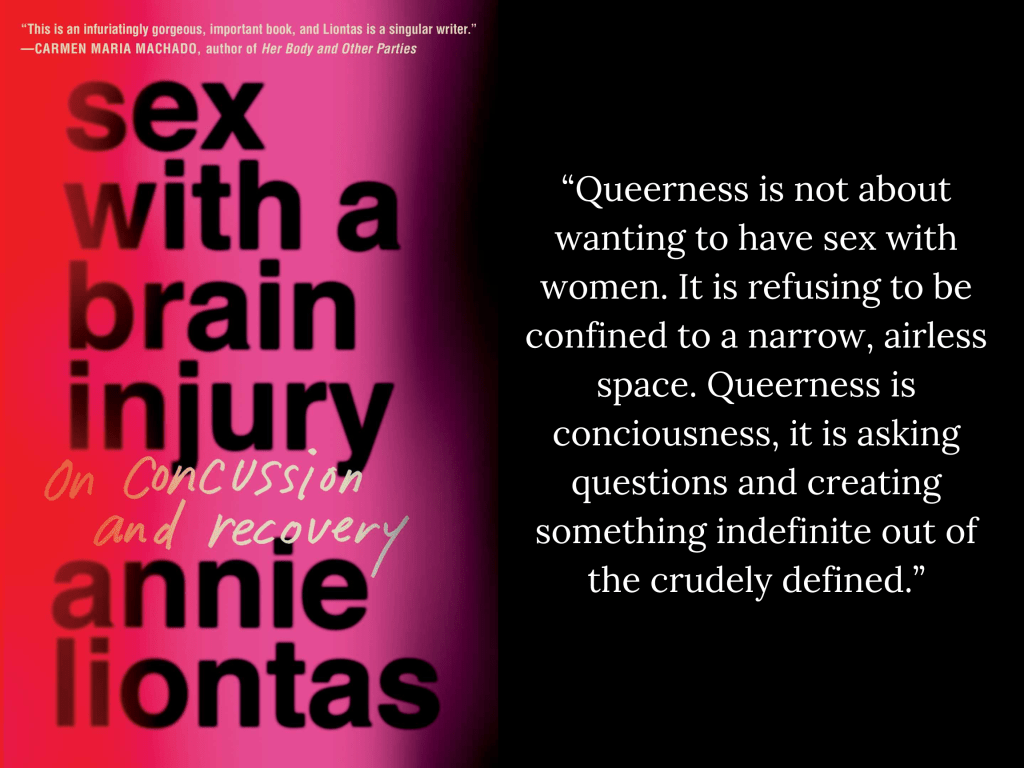
Sex with a Brain Injury: On Concussion and Recovery by Annie Liontas

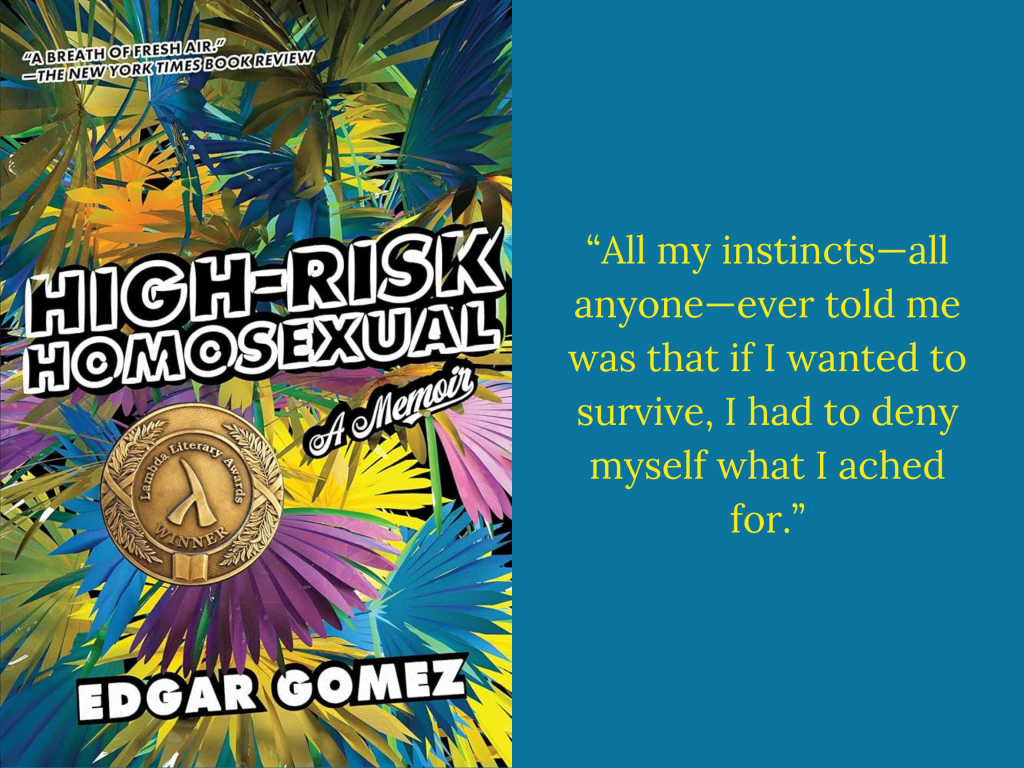
High-Risk Homosexual: A Memoir by Edgar Gomez

Pretty: A Memoir by KB Brookins

Fairest: A Memoir by Meredith Talusan

How to Live Free in a Dangerous World: A Decolonial Memoir by Shayla Lawson

High Priestess of the Apocalypse by Christy Tending

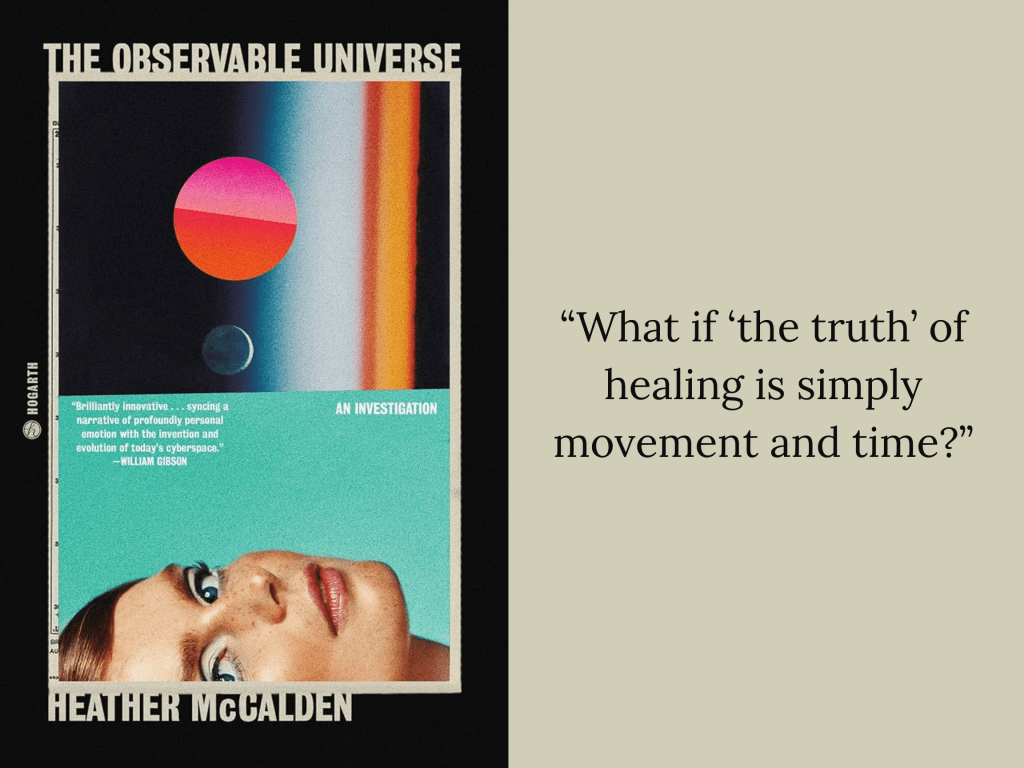
The Observable Universe by Heather McCalden

I Felt the End Before It Came by Daniel Allen Cox

Endpapers by Jennifer Savran Kelly

These Worn Bodies by Avitus B. Carle

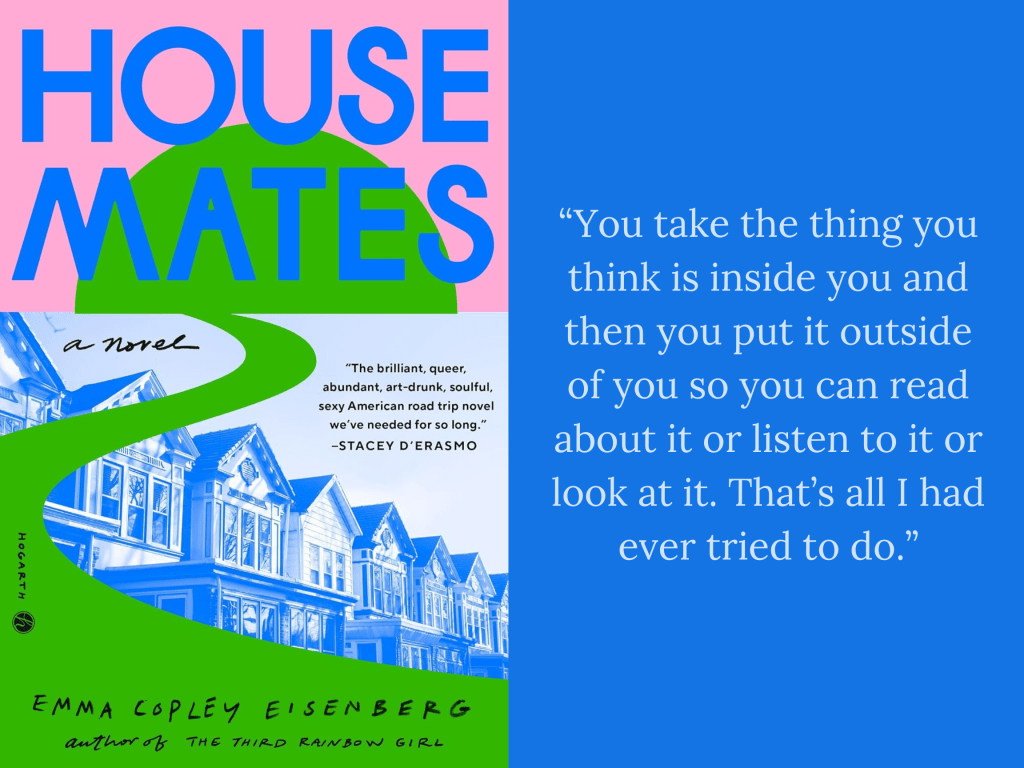
Housemates by Emma Copley Eisenberg

The Top 10 Books I Read in 2023

Happy end of year round-up! As usual, I didn’t read as much as I should have this year cause…life. BUT, the books I did read were phenomenal. Lots of beautiful queer stories, more fiction than usual (!), and finally completed the Kiese Laymon holy trinity. Sharing my countdown here, as well as my favorite line from each book. Cheers to a 2024 fruitful with reading and writing!

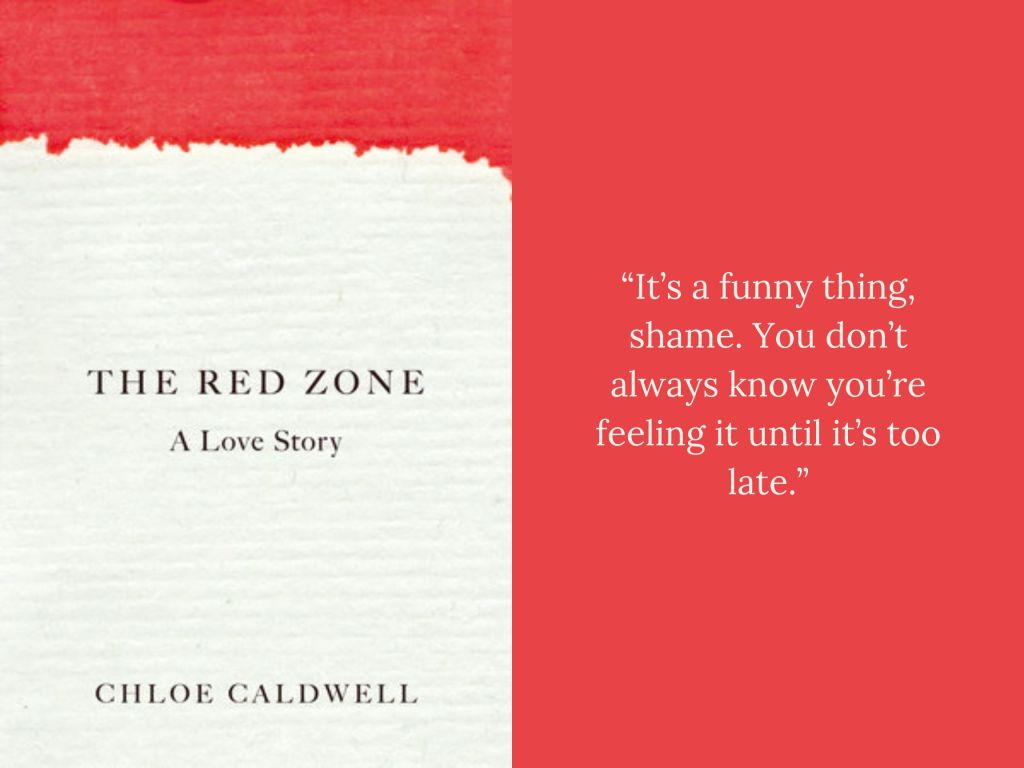
10. The Red Zone by Chloe Caldwell

9. The Loneliness Files by Athena Dixon

8. Pageboy by Elliot Page

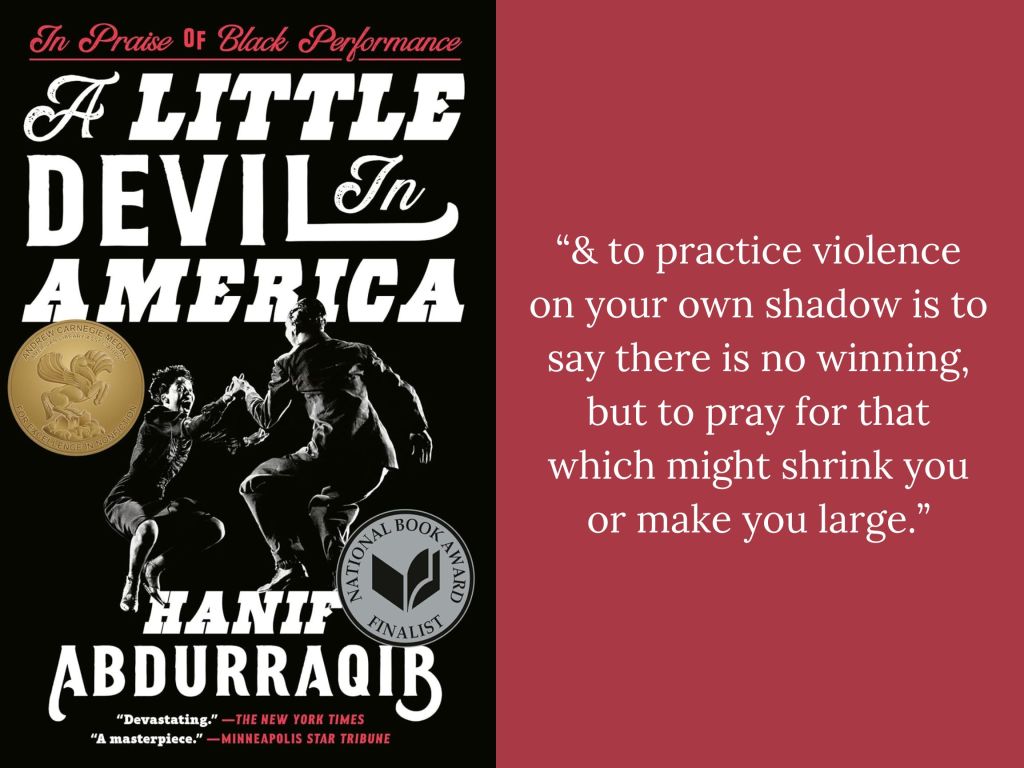
7. A Little Devil in America by Hanif Abdurraqib

6. Recitatif by Toni Morrison

5. How Far the Light Reaches by Sabrina Imbler

4. I Keep My Exoskeletons to Myself by Mac Crane

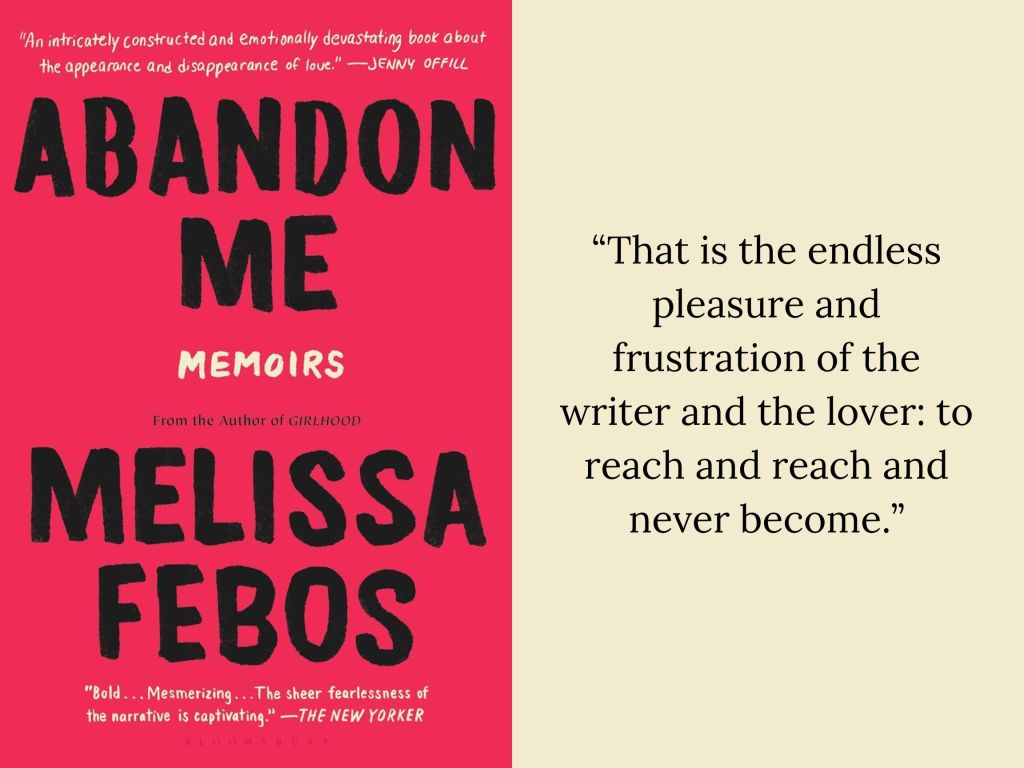
3. Abandon Me by Melissa Febos

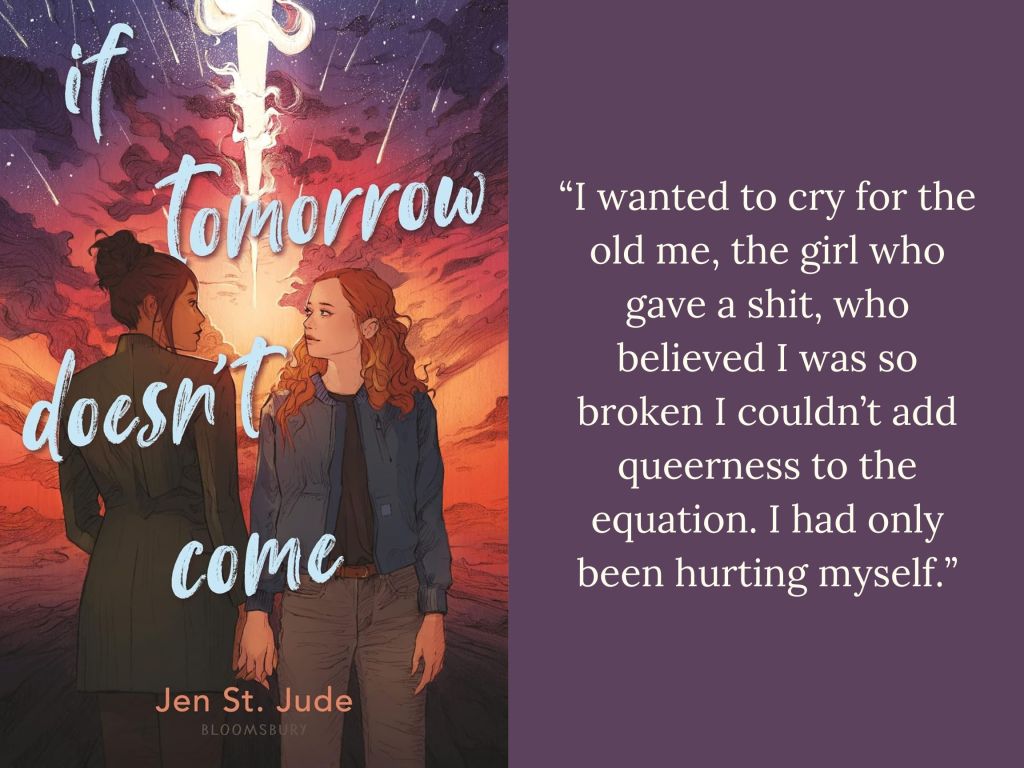
2. If Tomorrow Doesn’t Come by Jen St. Jude

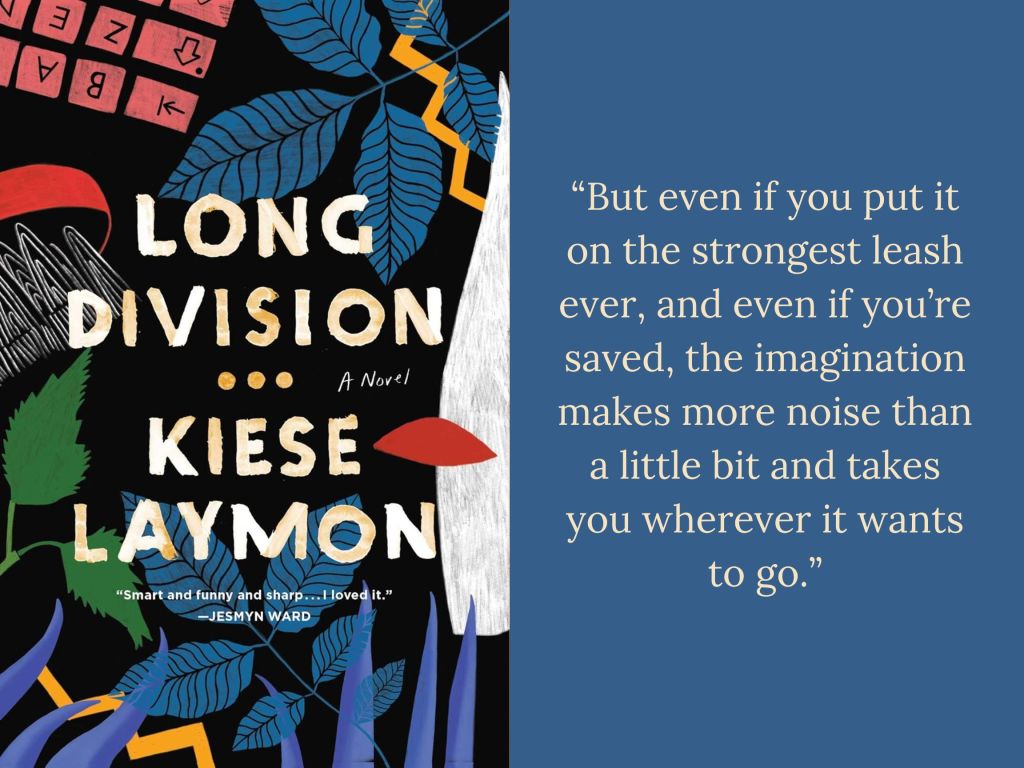
1. Long Division by Kiese Laymon

The Top 10 Books I Read in 2022

I didn’t read quite as much as I’d have liked to this year, but why fixate on not meeting a goal when I can spend time celebrating the beautiful words I did read instead? Right? Right?! Another year, another round of Canva-made images feat. my favorite lines from my favorite books. May your 2023 be filled with words as powerful and authors as incredible as the ones on this list!

10. Everyone Remain Calm by Megan Stielstra

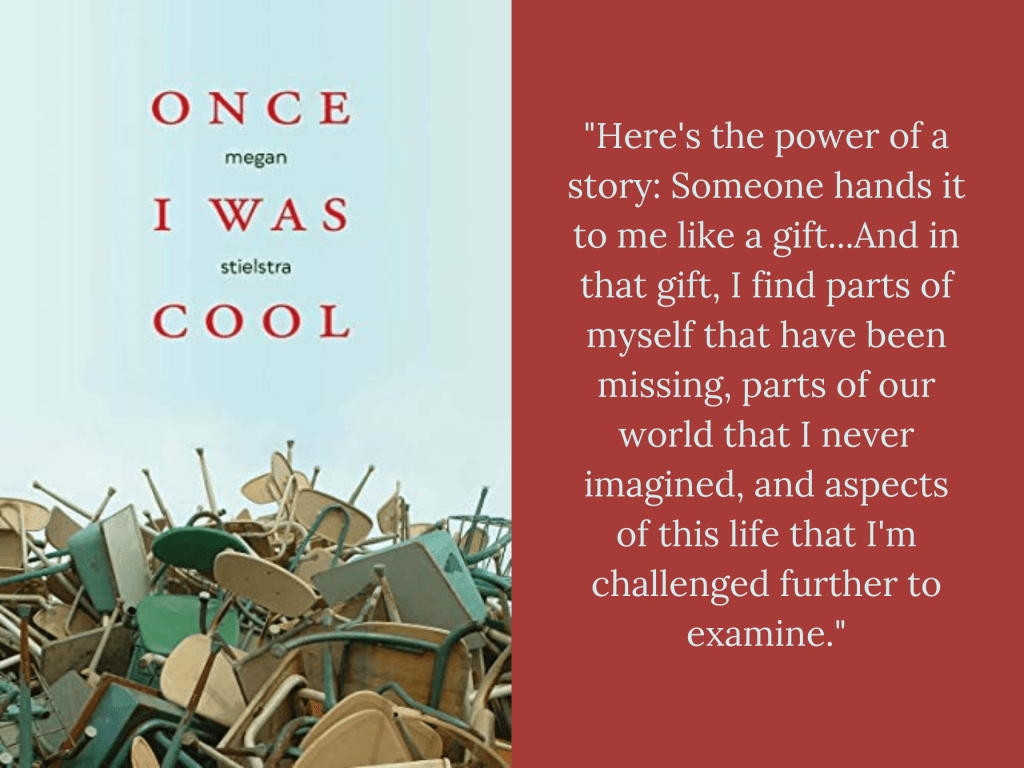
9. Once I Was Cool by Megan Stielstra

8. The Toni Morrison Book Club by Juda Bennett, Winnifred Brown-Glaude, Cassandra Jackson, & Piper Kendrix Williams

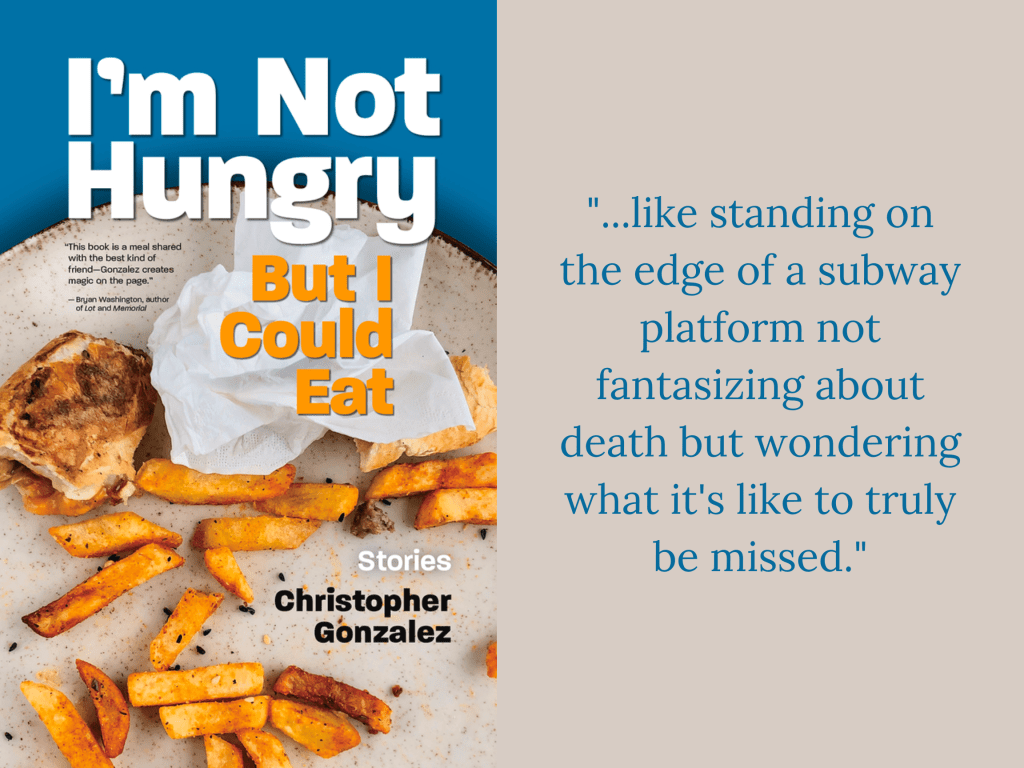
7. I’m Not Hungry But I Could Eat by Christopher Gonzalez

6. Giovanni’s Room by James Baldwin

5. Blow Your House Down by Gina Frangello

4. The Natural Mother of the Child by Krys Malcolm Belc

3. Body Work by Melissa Febos

2. How to Slowly Kill Yourself and Others in America by Kiese Laymon

1. They Can’t Kill Us Until They Kill Us by Hanif Abdurraqib

The Top 12 Books I Read in 2021

I could write another recap similar to last year’s…about how this year was a dumpster fire and how I was too lazy to write out a full review for each and every book…BUT, let’s just skip over that and jump right into my favorite lines from my favorite books I read in 2021. I am constantly in awe of what these writers can do with language. Here’s to another year of gorgeous, life-saving words.

12. Somebody’s Daughter by Ashley C. Ford

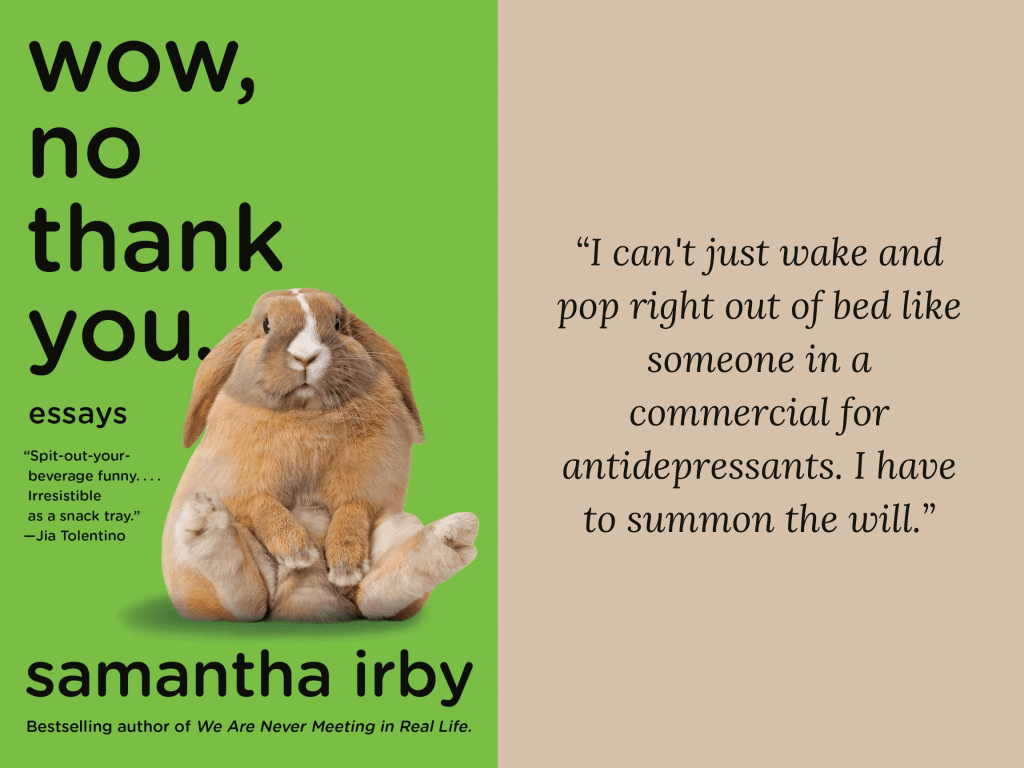
11. Wow, No Thank You by Samantha Irby

10. The 2000s Made Me Gay by Grace Perry

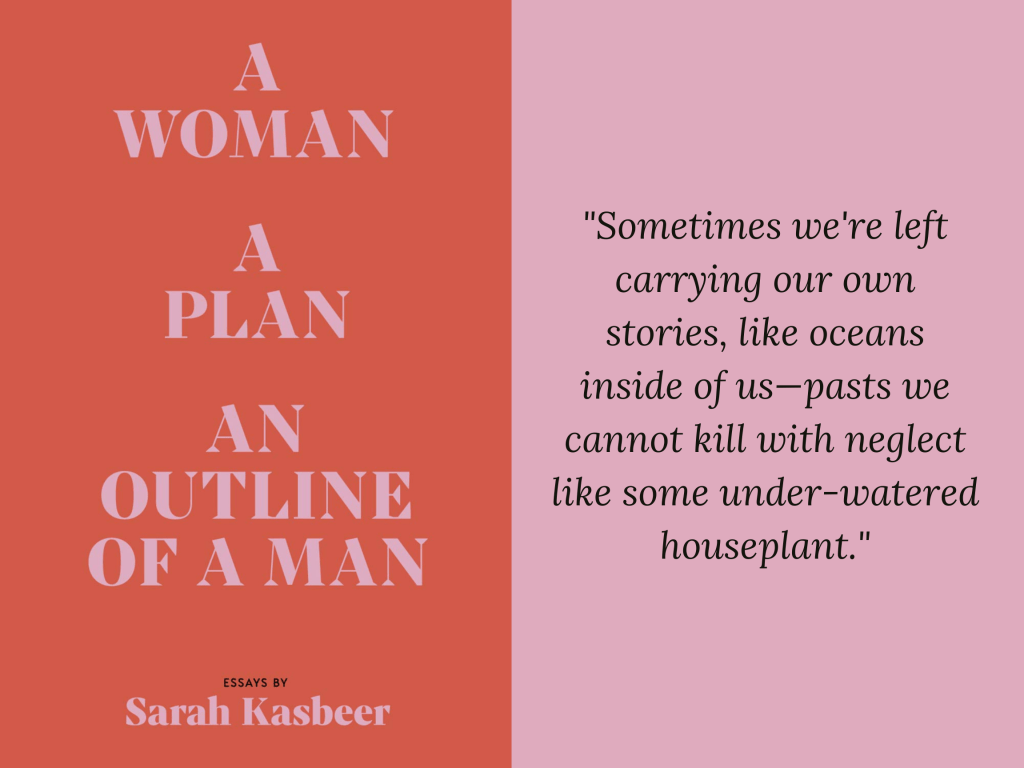
9. A Woman, A Plan, An Outline of A Man by Sarah Kasbeer

8. Bluets by Maggie Nelson

7. Kink edited by R.O. Kwon and Garth Greenwell

6. This is Major by Shayla Lawson

5. Just Us by Claudia Rankine

4. Girlhood by Melissa Febos

3. Detransition, Baby by Torrey Peters

2. Honey Girl by Morgan Rogers

1. Heavy by Kiese Laymon

REVIEW: HONEY GIRL Highlights the Importance of Found Family in Our Twenty-Somethings

“God bless these twenty-somethings” SZA sings on the final track of her groundbreaking 2017 album, CTRL, and though it’s a four-year-old song, it feels like the soundtrack to Morgan Rogers’ brilliant 2021 debut novel, Honey Girl.

Honey Girl tells the story of Grace Porter, a queer Black woman in her late twenties who works her ass off to earn a PhD in astronomy, takes one little trip to Vegas, and wakes up married to a mystery woman. Since uprooting her life following her parents’ divorce, Grace has been pressured to “follow her plan” by her military father. She’s a perfectionist who pushes herself to her absolute limits in order to make her father proud. So when Grace finds herself faced with a stranger for a wife and a racist job market, she realizes she may need a break from her “plan,” or perhaps, some major changes.

Some might argue that Honey Girl is a love story, a queer romance novel of sorts. Rogers wields a lesbian relationship so gentle and hopeful, it will turn even the biggest queer cynic into a sappy romantic. But this book is not just about queer romance. It’s about reclaiming identity and hitting the reset button in order to forge your own path. It’s not just about falling in love with a partner, it’s about falling so hard in love with your friends that they become your family.

With a no-nonsense father and an often-absent mother, we learn early on that Grace has formed her own families to survive. Ximena and Agnes, Grace’s best friends/roommates, are also a couple of queer twenty-somethings just trying to get by. Ximena, an Afro-Dominican nurse, is equal parts nurturing and tough love. “Ximena is who she will grab onto when the world ends,” the narrator says of Grace. “And they will watch it burn to ash before they follow.” Agnes, who Grace and Ximena refer to as their “feral white girl,” is outspoken and brash, but always showing love in subtle ways, especially when it comes to Grace’s struggles with mental illness. Rogers crafts their queer found family beautifully, the three of them always supporting one another, always cuddling up together when they need affection or comfort, always repeating “I love you so much it hurts.”

Grace also has Meera and Raj—her other found family. Meera and Raj’s father owns the White Pearl Tea Room where Grace works part-time for what seems like the entirety of her time in college and grad school (a routine many twenty-something millennials can relate to). Meera, who is studying psychology, is always pulling the truth out of Grace and comforting her with sweet words and understanding. Raj, who Grace calls her “big brother,” tries to protect her just as much as he teases her. Meera and Raj’s father, Baba Vihaan, even fills in as a softer version of a father figure for Grace. 

So when Grace decides to head to New York to spend the summer with her new mystery wife, a late night radio show host named Yuki Yamamoto, she does so with the confidence that her found family will still be waiting for her back home once she figures out what’s next. Even if she winds up disappointing her blood family in the process, Ximena, Agnes, Meera, and Raj will still be there to lift her up.

Once she begins listening to Yuki’s radio show and talking with her on the regular, Grace knows her wife is loving, witty, and full of knowledge on the origin stories of mythical monsters and “lonely creatures.” What she doesn’t know is that Yuki also comes with a queer found family of her own. Yuki’s roommates—Dhorian, the medical resident who’s always tired from working nightshifts, Sani, the sassy trans masc MMA fighter, and Fletcher, the glitter-happy first grade teacher—all welcome Grace with open arms and gay jokes upon her arrival to Brooklyn. The bond Yuki shares with her roommates is a familiar one for LGBTQ+ twenty-somethings. “My weird, queer family I made myself,” she calls them, and Grace fits right in.

Every queer character in Honey Girl is a twenty-something millennial, trying to survive, to create a future for themselves, and leaning on one another in the process. For Grace, these characters fill in the gaps left by her blood family. Ximena promises to be a constant in Grace’s life, someone who will never flee the way her mother has time and time again. Yuki encourages Grace to think about what being “the best” means to her, rather than what it has always meant to her father. Agnes takes notice of and addresses Grace’s self-harming habits, which her parents are completely unaware of. It’s true that ultimately Grace must learn how to take care of herself in order to move forward with her life, but without her found family, she wouldn’t know where to begin.

In the same way that Grace’s found family are parts of a whole version of herself, the supporting characters, their witty dialogue, and their background stories are smaller, yet necessary parts of Honey Girl that make the novel whole.

Perhaps the most refreshing part of all the queer characters in Honey Girl is that not a single one of their stories revolves around their “coming out”.  While coming out narratives are important, stories where LGBTQ+ characters’ sexuality or gender identity is not the main plot point are equally as necessary. The brilliance of the found families Rogers constructs in Honey Girl is that she never needs to explicitly detail the notion that these characters are bonded by their queerness and the world’s reaction to it. That bond is implied by their closeness, their ability to communicate, and their deep, unending love for one another.

When SZA sings, “Good luck on them twenty-somethings,” it sounds like a challenge. But it’s a challenge Rogers’ debut prepares us to face. Though Honey Girl is ultimately about Grace’s journey of self-discovery, the book demonstrates just how crucial found families are to queer identities. Finding love doesn’t save Grace. She finds love, in all of its many forms, and then, she saves herself.